ERPNext for the wine industry: Lucsartech's integrated solution for modern production
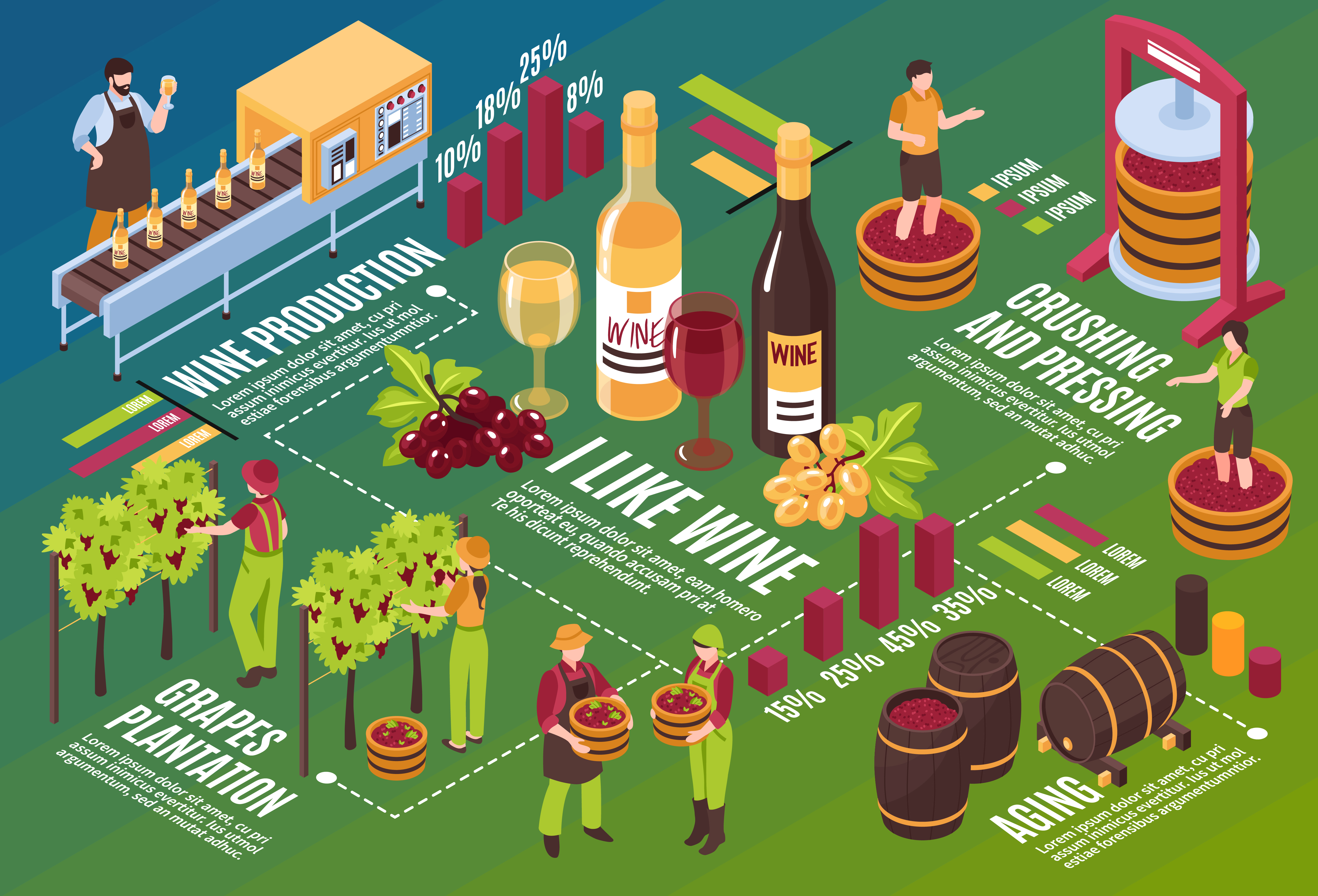
The world of wine combines tradition and innovation. Today's wineries face complex challenges: from managing agricultural production and cellar processes to quality control and complete product traceability right down to the bottle. To meet these needs, Lucsartech has verticalized ERPNext, the most comprehensive and flexible open source platform for business process management.
- An ERP that speaks the language of the winery
ERPNext was created as a modular ERP, capable of covering areas such as accounting, sales, purchasing, production, and inventory. The version verticalized by Lucsartech extends these features to adapt them to the specificities of the wine sector: * Management of the wine production cycle, from grape delivery to fermentation, aging, and bottling. * Complete batch traceability, linking grape batches, processing stages, and finished products. * Management of winery records and regulatory compliance, in accordance with the provisions of the Ministry of Agriculture. * Integration with RFID/GS1 labeling and tracking systems to ensure compliance and visibility throughout the supply chain. * Analysis of production costs and margins by product or line, with dynamic dashboards and interactive reports.
- An open and sustainable platform
The solution developed by Lucsartech is based on the open source architecture of ERPNext and the Frappe framework. This means maximum customization, independence from proprietary licenses, and reduced management costs, without compromising security and scalability.
In addition, the modular approach allows for easy integration of IoT sensors, MES systems, or agricultural management applications, transforming the entire winery into a connected digital ecosystem.
- From the vineyard to the bottle, a single information system
With ERPNext verticalization for wine, Lucsartech accompanies wineries towards integrated and transparent management of all processes, improving efficiency, control, and product quality.
The result is an ERP that not only supports daily activities but also becomes part of the brand's value, offering traceability, sustainability, and innovation—three pillars that are increasingly in demand on international markets.
Want us to reach out?
If you want to see how ERPNext can solve the challenges described in this article, book a dedicated demo.
Other articles
Claude — And Just Like That, You're a Developer
There was a time when all it took was a slogan. Buy this, and just like that, you're someone else. Drink that coffee and you're already a man of the world, wear those shoes and you run like a champion
When Safety Becomes the Enemy: The Paradox of the 5 Divers in the Maldives
I can't forget the news. Five professional divers, dead during a dive in the Maldives waters. People who knew exactly what they were doing. Certified. Experts. Dead.
Pharos: export customs declarations under control
A custom application that tracks every export from MRN issuance to exit certification. How we turned a manual, high-risk process into a governed and auditable workflow.
Beyond control: observe, understand, prevent
Many monitoring tools are limited to saying “up” or “down.” Useful, of course—but a bit like discovering you have a fever only once you’re already stuck in bed.